If you have priced a frameless shower enclosure or glass railing recently, you have probably been offered a protective coating as an add-on, and wondered whether it is a genuine upgrade or just margin. Living with South Florida’s hard water and salt air, the honest answer is: for most installations here, coatings earn their keep. Here is how they work, what they do and do not do, and where they matter most.
What a Glass Coating Actually Is
Factory-applied protective coatings chemically bond to the glass surface, filling the microscopic peaks and valleys that make ordinary glass slightly porous. The result is a hydrophobic surface: water beads and sheets off instead of sitting on the glass and evaporating. That distinction matters because water itself is not what stains glass, what stays behind when water dries is. South Florida’s water is mineral-rich, and every drop that dries on untreated glass leaves calcium and magnesium deposits behind. Repeat daily for a year and you get the cloudy, etched look that no amount of ordinary cleaner fixes.
What Coatings Do Well
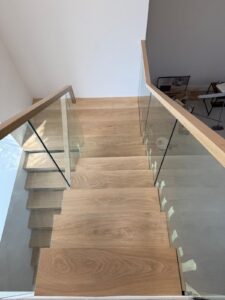
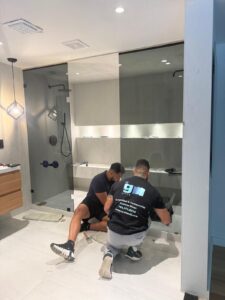
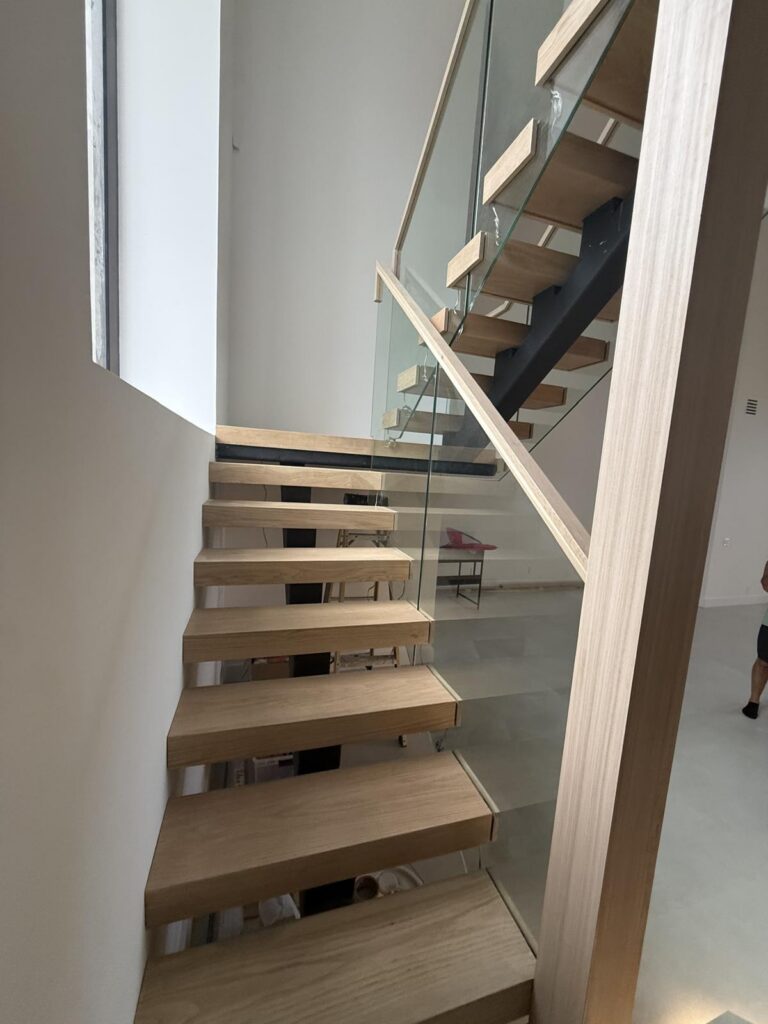
On shower glass, a quality coating means water sheets off after each use, soap scum releases with light cleaning instead of scrubbing, and mineral spotting slows dramatically. On exterior glass, railings, pool fencing, wind screens, coatings shed sprinkler overspray and salt film, keeping panels clearer between rinses. Maintenance does not disappear; it gets easier and less frequent, a squeegee pass and mild cleaner instead of chemical warfare.
What Coatings Do Not Do
A coating is not a force field. It will not make glass self-cleaning, will not stop etching if hard water sits and bakes for months untouched, and will not repair glass already clouded by mineral damage, coatings protect clean glass; they do not restore damaged glass. Coatings also wear over years, faster with abrasive cleaners, which is why the care instructions say no scouring pads and no harsh chemicals.
Factory Coating vs. DIY Sprays
Aftermarket rain-repellent sprays offer a taste of the effect, and they wear off in weeks, needing constant reapplication on large panels. Factory-applied coatings are bonded under controlled conditions and are typically warrantied for years. For a small mirror, DIY is fine; for a full enclosure or a railing you look through every day, the factory treatment is the one that lasts.
Where It Matters Most in South Florida
Three situations make coatings close to essential here: homes on well water or with hard municipal water (most of the region), any glass in a sprinkler’s reach, and coastal installations where salt film accumulates between rinses. If your project checks any of those boxes, the coating typically costs a small fraction of the installation and protects its appearance for years.
The Verdict
Worth it? For South Florida shower enclosures and exterior glass, yes, with the honest caveat that coatings reduce maintenance rather than eliminate it. If your existing glass is already spotted, ask about restoration options before assuming it is permanent; if you are buying new glass, add the coating and keep it clean the easy way.
Questions About Your Glass?
IG Glass offers protective coatings on new shower enclosures, railings, and pool fencing across Miami-Dade and Broward. Contact us or call 786-312-8778 to talk through the right setup for your water and your home.