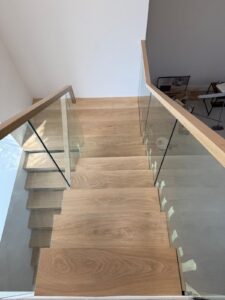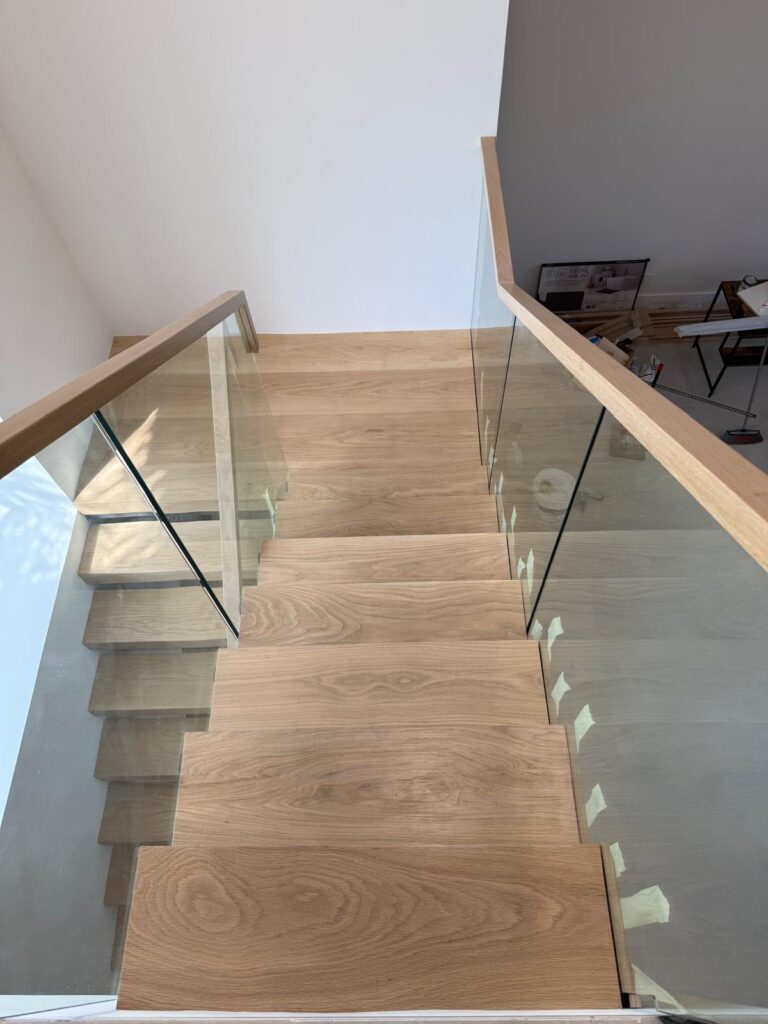
Choosing a railing system for a balcony, staircase, terrace, or pool deck comes down to three main contenders in South Florida: frameless glass, stainless cable, and aluminum pickets. Each has real strengths, and the right answer depends on your priorities: view, maintenance, budget, and how close you live to salt water. Here is an honest comparison from a company that installs glass railing systems every week across Miami-Dade and Broward.
The View Test
If preserving a view is the goal, glass wins and it is not close. A frameless glass railing is visually continuous: water, skyline, or garden reads uninterrupted. Cable railing comes second; the horizontal lines are thin but visible, and they shimmer in sunlight. Aluminum pickets, even slim ones, create a fence-like rhythm your eye cannot ignore. For oceanfront balconies and pool decks where the view is the point, this test alone often decides it.
Maintenance in a Salt-Air Climate
Here South Florida changes the usual national advice. Glass panels themselves are immune to salt; maintenance is rinsing and occasional cleaning, with marine-grade hardware handling the structure. Cable systems use stainless steel that, near the coast, demands regular care: cables need periodic re-tensioning, and standard stainless can tea-stain within a season or two of ocean exposure. Aluminum with a quality powder coat performs well, but scratches that expose bare metal become oxidation points, and coastal sun fades darker finishes over time.
Safety and Code
All three systems can meet Florida Building Code requirements when properly engineered, but there are differences worth knowing. Glass railings use tempered or laminated safety glass and present a smooth, unclimbable surface, a real consideration with children. Cable railings, with their horizontal runs, are effectively a ladder for adventurous kids, and some jurisdictions scrutinize them for exactly that reason. Aluminum pickets at code spacing are child-safe but interrupt sightlines. In the high-velocity hurricane zone covering Miami-Dade and Broward, engineering and product approvals matter for every system; this is not a DIY category.
Cost: Upfront vs. Long-Term
Aluminum pickets are typically the least expensive upfront, cable systems sit in the middle, and frameless glass carries the highest initial cost. The long-term math is different: glass has minimal upkeep and the longest style lifespan, aluminum eventually needs refinishing, and cable needs ongoing tensioning and, near the ocean, earlier hardware replacement. Glass also adds measurable resale appeal in the South Florida market, where buyers expect the modern look.
Style and Architecture
Glass suits modern, coastal, and luxury architecture and has become the default for new high-end construction. Cable leans industrial-modern and pairs well with wood-heavy designs. Aluminum is the traditionalist and the budget workhorse, and modern slim-profile pickets in matte black have their own clean appeal. There is no wrong aesthetic answer, but there is a market reality: in waterfront South Florida, glass is what the premium market expects.
The Verdict
Choose aluminum for budget-driven projects where view is secondary. Choose cable for an industrial look away from direct salt exposure, with a commitment to maintenance. Choose glass when the view matters, when children use the space, when you are near the water, or when long-term value tops the list. If you are weighing options for a specific project, contact IG Glass or call 786-312-8778; we will give you a straight answer about whether glass is the right fit for your space.